River Adventures vs. Lake Days: Which Is Better for a Nature Weekend?
October 28, 2026 - Travel Guides

October 27, 2026 - Travel Guides
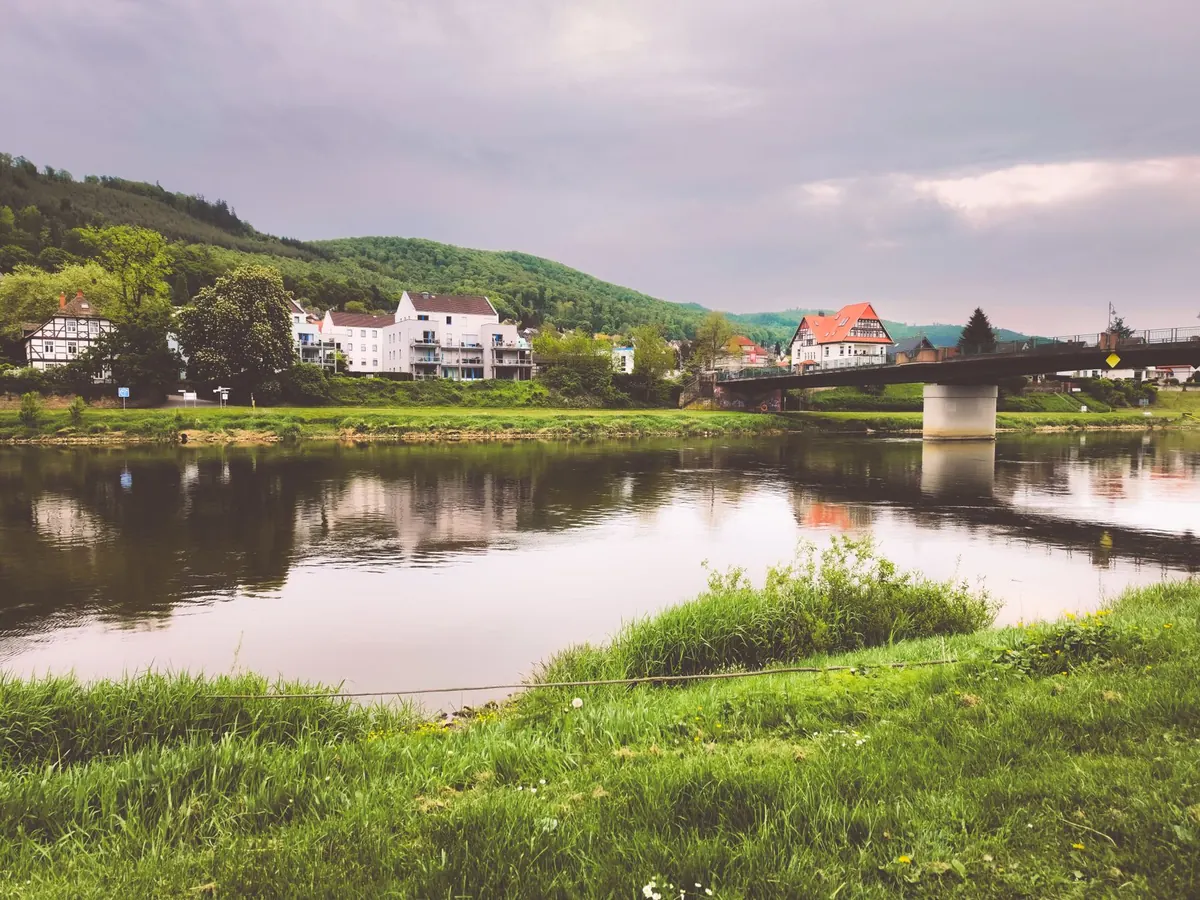
Most river towns in Europe fall into one of two camps. There are the ones with a coach park and a souvenir shop every ten metres, and there are the ones where you can hear the water from your bedroom window and very little else. This is a shortlist of the second kind. Each of the five towns below has a river worth walking beside, a local dish worth planning lunch around, and a stretch of the year when you will have the place more or less to yourself. None of them needs a week of planning. A detour of two or three hours gets you the measure of the place; a night is better.
They sit in different countries and different landscapes, so pick by the kind of day you want rather than by proximity.
The Poljane Sora and the Selca Sora meet at the edge of the old town, and the sound of them follows you around the cobbles. This is the easiest detour on the list: buses from Ljubljana run often, take well under an hour, and drop you a few minutes' walk from the square. You can leave the capital after breakfast, walk the town, eat a proper lunch and be back for dinner. Most visitors don't bother, which is exactly the point.
If you are driving, park in one of the lots on the edge — the centre is compact, largely pedestrian, and the lanes were built for carts.
Sansepolcro, down on the plain, gets the Piero della Francesca pilgrims. Anghiari, up on its ridge, gets the people who came for the painting and stayed for lunch. The town is a knot of steep streets and stone walls with the Sovara stream running below and the wide Tiber valley opening out to the south. It is quiet in the middle of the day in a way that Tuscan hill towns rarely are any more.
Access is easiest by car: the nearest rail station is at Arezzo, from where buses run up the valley to Sansepolcro, a few kilometres away. From there it is a short taxi ride or a stiff walk uphill. The flat cycle path along the Tiber between Sansepolcro and Città di Castello makes a good half-day on two wheels if you want the river at eye level rather than from above.
A footpath drops from the walls to the Sovara; it is short, steep in places and rewards you with the classic view of the town from below. On the table, look for bringoli — thick hand-rolled pasta, usually with a meat ragù or porcini — and the local olive oil, which is peppery enough to be worth carrying home. Go in late spring or October. Autumn also brings truffle hunters and their dogs into the woods.
The old houses here lean out over the Bourne on wooden balconies, held up by stone corbels and what looks like optimism. It is a small place, half an hour of strolling end to end, but the setting at the mouth of the Vercors gorges gives it more weight than its size suggests. Climbers come for the cliffs; everyone else comes for the water and the walnuts.
By car it is straightforward from Grenoble or Valence. By public transport it takes planning: the nearest station is Saint-Marcellin on the Grenoble–Valence line, and from there you are reliant on a thin local bus service or a taxi. Check timetables before you commit, especially at weekends.
Walnut oil is the local speciality, pressed in small mills and sold in the village shops — taste before you buy, since the character varies a lot between producers. Order ravioles du Royans, tiny herbed dumplings baked in a dish, and follow the riverside path downstream where the gorge narrows. May, June and September are the sweet spot; August brings French holiday traffic into the valley.
Albarracín is draped over a rocky spur with the Guadalaviar curling around the bottom, and the houses are painted in the reds and ochres of the rock they stand on. It is one of those towns that photographs well from every angle and is even better on foot, because the pleasure is in the climbing: up to the walls, along them, and back down through alleys that dead-end in someone's geraniums.
Access is by road from Teruel, roughly forty minutes on a winding climb. Buses exist but are sparse, and a car gives you the freedom to stop at the viewpoints on the way up. Below the town, a riverside path follows the Guadalaviar through pine and rock — an easy hour that is welcome after the hillside streets.
Eat ternasco, roast lamb, and jamón from Teruel; in winter the area's black truffles appear on menus. Spring and early autumn are ideal. July is hot and exposed, and this sits high enough that winter mornings bite — pack accordingly even if the forecast from the coast looks mild.
The Trebišnjica runs through Trebinje slowly and greenly, and the town is built around the shade of old plane trees rather than around a single sight. It is a place for sitting: coffee in the morning, a long lunch, a walk under the trees when the heat drops. Wine has been made in this corner of Herzegovina for a long time, and the local cellars are unpretentious about it.
From Dubrovnik it is a short drive over the border, and buses run from both Dubrovnik and Mostar. Do carry your passport and check current border requirements before setting out; crossing rules change.
Walk the river path through town, cross the old Arslanagić bridge, and climb to the church above the town for the view back over the valley — twenty minutes up, and best in the late afternoon. The Tvrdoš monastery, a short drive or a longer walk away, is worth the trip. Eat grilled trout and lamb, drink Žilavka if you like a crisp white. Aim for April to June or September to October; midsummer heat is real and the shade becomes the main attraction.
None of these towns asks much of you. Turn up with a spare afternoon, leave the itinerary loose, and let the river decide the route.
Photo: Lana Kravchenko / Pexels
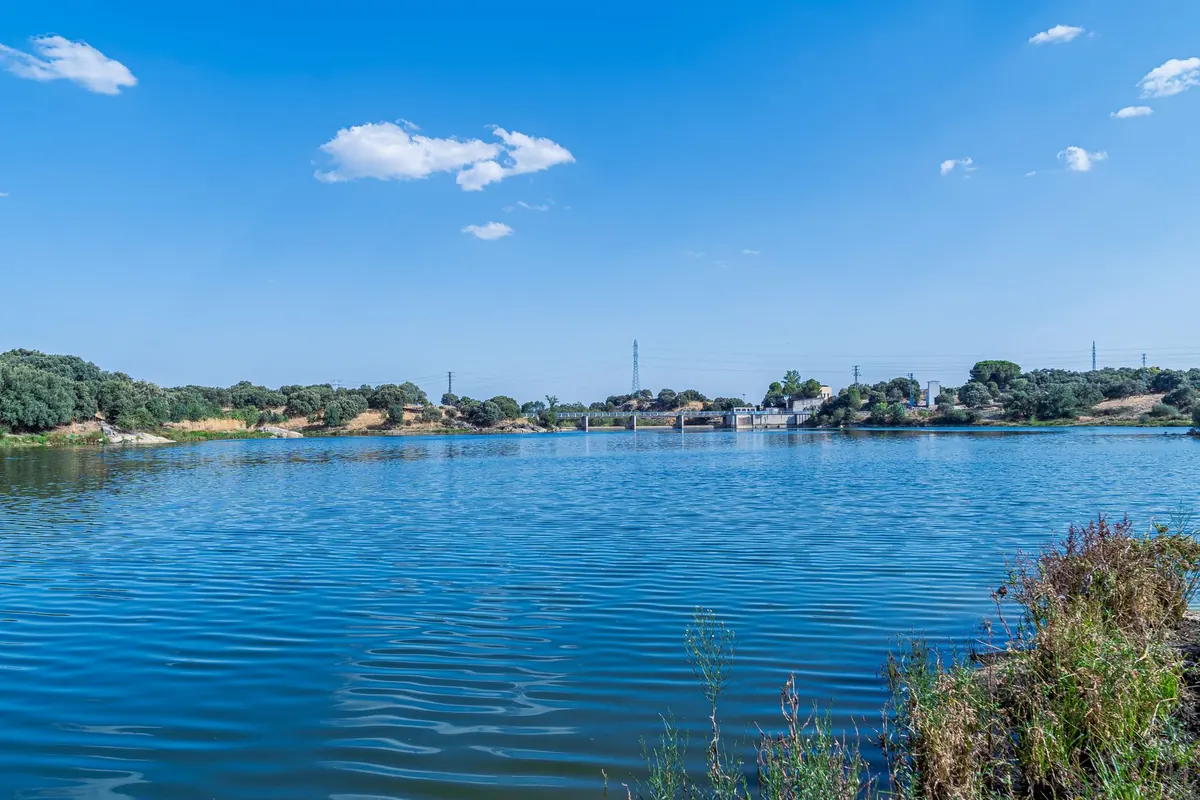
Rivers reward curiosity and planning; lakes reward simplicity and slow mornings. Here is how access, safety, crowds...
A practical, step-by-step plan for building a three-day river itinerary that runs on trains, buses and footpaths —...
October 27, 2026 - Travel Guides
Copyright © 2026 Scrigno Del Fiume. All Right Reserved.