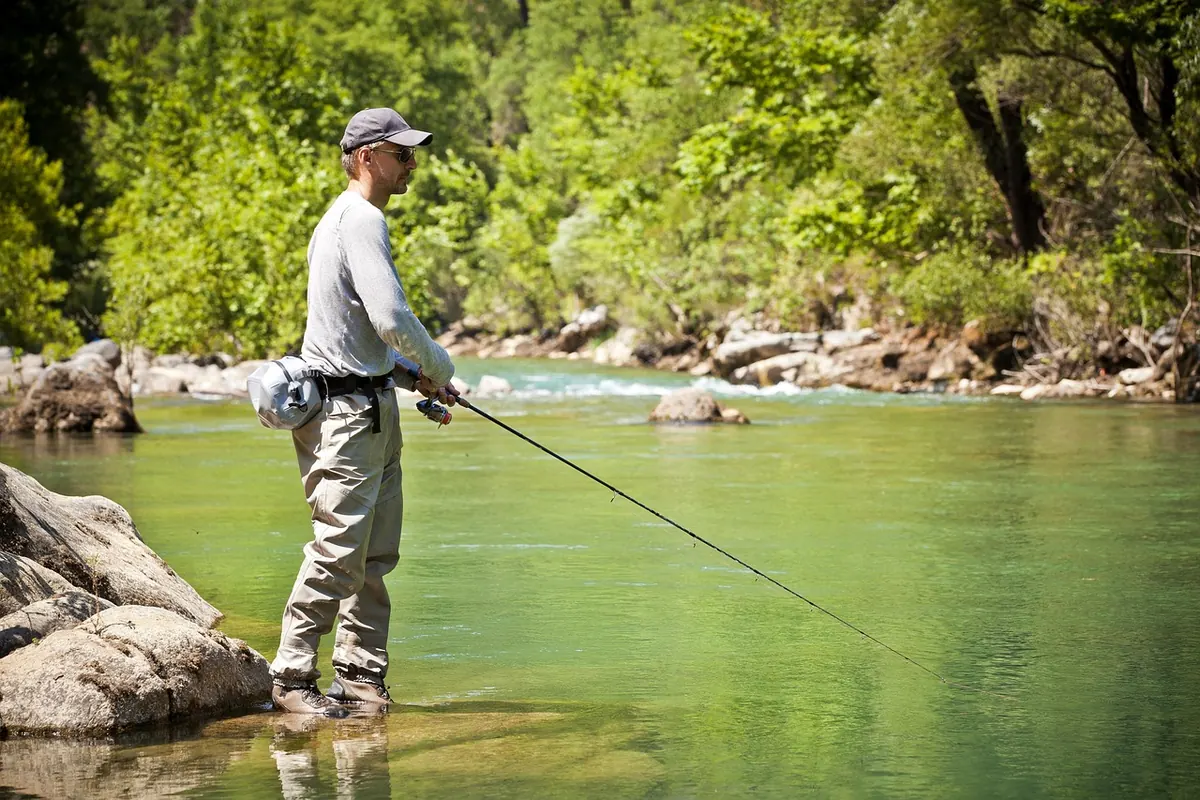
River Adventures vs. Lake Days: Which Is Better for a Nature Weekend?
October 28, 2026 - Travel Guides

October 27, 2026 - Travel Guides
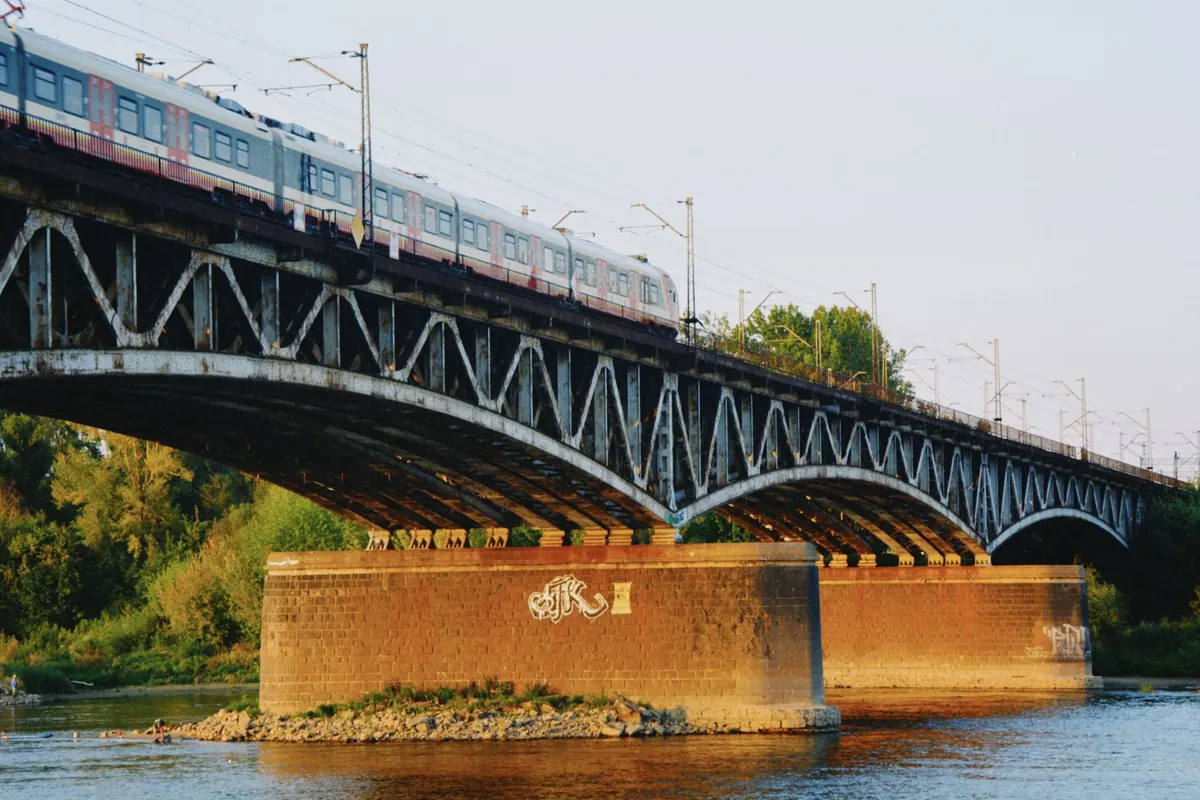
The train slows, the river appears on the left, and you step onto a platform with a bag and no car keys. That moment is the payoff for a little planning done at home — the quiet sense that the next three days will run on timetables, footpaths and your own two legs. A car-free river trip isn't a compromise. It's a different shape of trip: shorter distances, longer evenings, and a route that follows water instead of motorway exits. Here's how to build one that holds together.
Three days gives you two nights and, realistically, a stretch of forty to eighty kilometres of riverbank. That's the budget. The most common mistake is trying to see three valleys in three days — the result is a trip spent on platforms instead of beside water.
Choose a single river and a single direction. Downstream is usually the gentler option if you plan to walk, since the current and the terrain tend to run with you rather than against you. Then pick two bases, not four. One base for the first night, one for the second, with a move between them that takes an hour or less by train or bus. Anything more and your third day becomes a logistics exercise.
A useful rule to write at the top of your notes: one move per day, maximum. Every time you change accommodation you lose half a morning to packing, checking out and finding the platform again. Two bases over three days is comfortable. Three is possible if the moves are short and the connections direct.
It's easy to pick a village from a photograph and then discover it has no station, one bus a day, and a nine-kilometre road with no shoulder. Work in the other order: open a rail map first, then look for the towns.
Plenty of river valleys have a regional line running close to the water — the Loire, the Elbe, the Danube and the Rhine all have long stretches where the railway hugs the bank. These lines are the backbone of a car-free itinerary, because regional trains stop at small places that express services skip.
If you're bringing a bicycle, check the rules for the specific operator before you commit: many regional trains carry bikes, but some require a reservation or a bike ticket, and summer services fill up.
Good river days have a predictable shape. Trains and buses are most reliable mid-morning, light is best in the late afternoon, and riverside lodgings rarely let you check in before early afternoon. Work with that instead of against it.
Day one should be the shortest. Arrive late morning, stay close to the station, and use the afternoon to walk a five- or six-kilometre loop to test your shoes and your bag. Day two is the big one: the move plus the longest walk, ideally ending where you sleep. Day three keeps things tight — a short morning walk, a late lunch, and an easy exit to a station with frequent trains. Leaving the hardest logistics for the final afternoon is how trips end in a sprint.
Book for position, not charm. A guesthouse fifteen minutes' walk from both the station and the riverside path beats a beautiful place on a hill with no pavement. When you write to a host, ask three things: how far the walk from the station is with a wheeled bag, whether you can leave luggage before check-in or after check-out, and how early breakfast starts. That last question matters more than it sounds — a breakfast at eight-thirty can cost you the only sensible train.
Riverside lodgings also tend to know the local buses better than any booking site. Ask at the desk which service runs along the opposite bank, and whether it takes cash or a card. Small, specific questions get useful answers.
On a car-free trip, your bag is part of the route. Anything you can't carry up a flight of station stairs for two minutes is too heavy.
Rule of thumb: if you can't walk twenty minutes with it at the end of a day, it stays home.
No itinerary is complete without the awkward middle section where the path bends inland and the railway is on the far side of the water. This is where local buses and small ferries earn their place. Check whether the river has a passenger ferry or a foot crossing, since these often link two banks far more directly than any road route.
Verify seasonal services by phone or at the tourist office rather than trusting an old listing — rural bus schedules change with the school year, and ferries run reduced timetables outside summer. Screenshot the timetables you need and download offline maps before you leave; signal along a riverbank is unreliable.
Finally, keep one fallback in reserve. Save a local taxi number in your phone and know roughly where the nearest town with a station is. You probably won't use it. Knowing it exists is what lets you take the longer path.
Run through this the week before you travel and the trip will feel almost effortless:
Then buy the ticket, pack light, and let the timetable do the work. The river will still be there when the train arrives.
Photo: Aibek Skakov / Pexels
Rivers reward curiosity and planning; lakes reward simplicity and slow mornings. Here is how access, safety, crowds...
A practical packing and planning checklist for family river days, covering buoyancy aids, sun protection, snacks,...
October 27, 2026 - Travel Guides
Copyright © 2026 Scrigno Del Fiume. All Right Reserved.