River Adventures vs. Lake Days: Which Is Better for a Nature Weekend?
October 28, 2026 - Travel Guides

October 27, 2026 - Travel Guides
A weekend outdoors usually comes down to one question before anything else gets booked: do you want water that moves, or water that sits still? Both look idyllic in photographs. Both promise cold swims, campfire evenings and a break from screens. But a river weekend and a lake weekend ask different things of you, reward different moods, and go wrong in completely different ways. Choose the wrong one for your group and you spend two days fighting logistics or watching the weather instead of enjoying it. Choose right and the whole trip feels effortless. Here is what actually separates the two.
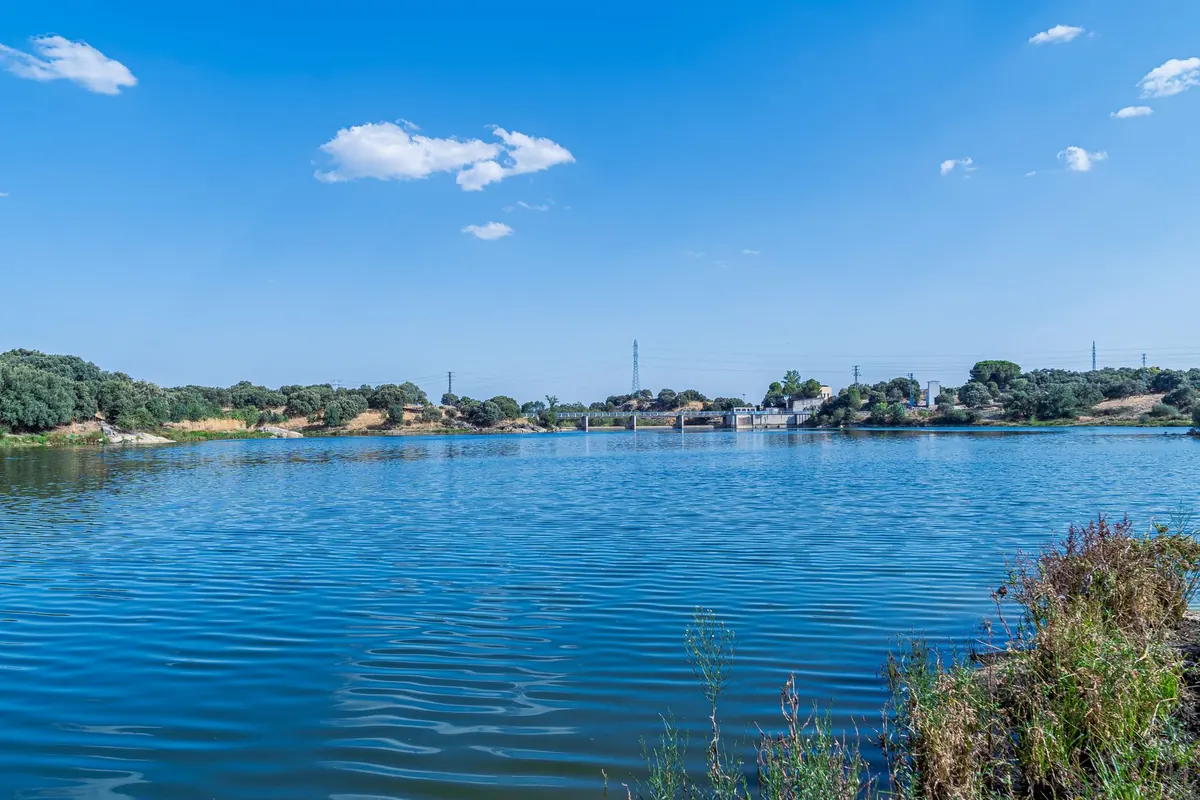
A lake is a destination. You drive to it, park near it, and your weekend radiates outward from that one spot. That simplicity is hard to beat. One car park, one launch beach, one campsite within walking distance of the water. If someone in your group forgets a towel, they walk back for it.
Rivers are linear, and that changes everything. A stretch of river has a put-in at one end and a take-out at the other, and the distance between them is your day. Unless you plan a there-and-back paddle upstream — fine on a slow, wide river, miserable on a fast one — you need two vehicles, a bike shuttle, or a lift from a local outfitter. Riverside camping is often scattered along a valley road rather than clustered at a single site, which gives you more options but more driving between swim spots, the tent and the pub.
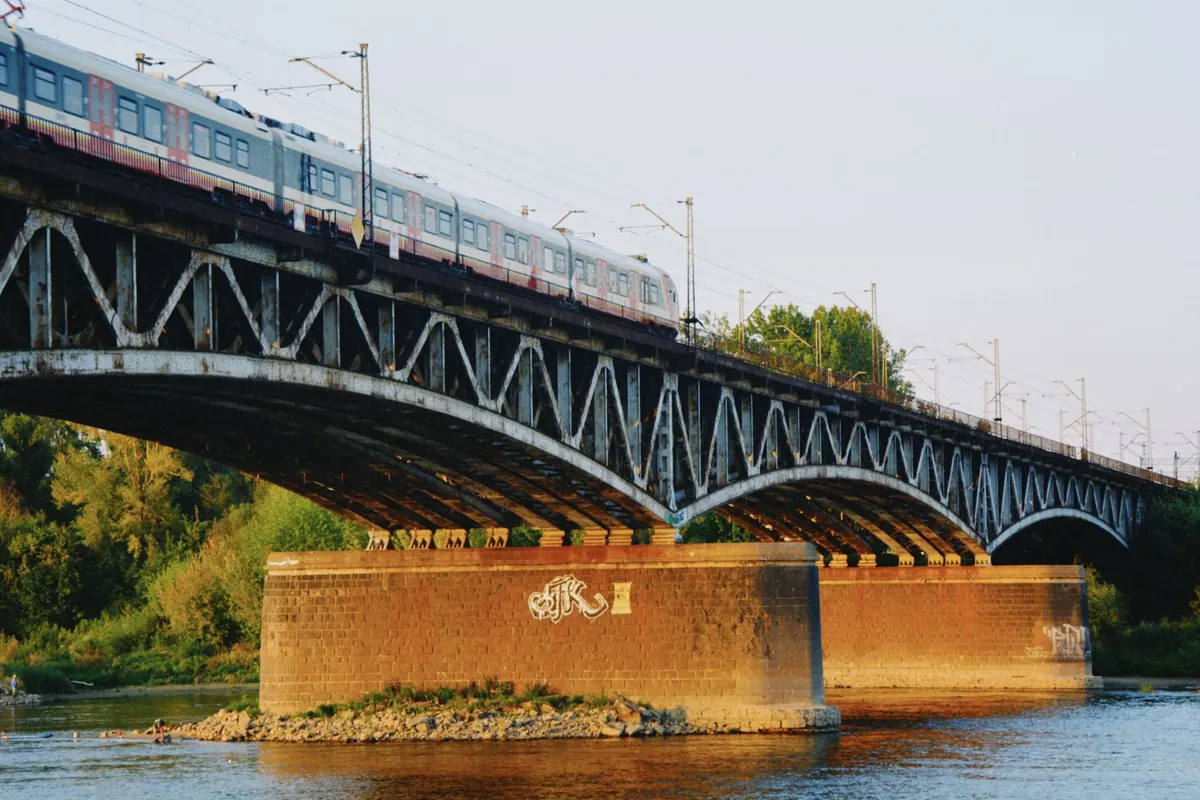
The upside of that line-shaped geography is variety. In one river valley you can paddle a calm reach in the morning, walk a gorge in the afternoon and swim a deep pool below a bridge before dinner. A lake gives you one shoreline and a lot of it. Neither is better; they suit different energy levels. My rule of thumb: if your group includes anyone who needs to bail out early or nap mid-afternoon, a lake is far kinder.
Moving water and still water demand different kinds of attention. On a river, the hazards are current, cold water, strainers such as fallen trees, low bridges and weirs that look passable from upstream and are not. On a lake, the hazards are wind, chop, distance from shore, cold water and other people's boats. A lake can be glassy at nine and unpleasant at two, and the far shore is always further than it looks.
Neither is inherently dangerous, and both are unforgiving of casualness. Before you go, run through a short list:
Cold water deserves its own note in both settings. Lakes fed by snowmelt and rivers running off high ground stay shockingly cold well into summer, and sudden immersion can steal your breathing in seconds. Ease in, keep it short, and stay close to shore. If you are paddling or swimming in remote water with children, treat supervision as a full-time job rather than a background one, and take a local course or ask an outfitter if you are unsure about conditions.
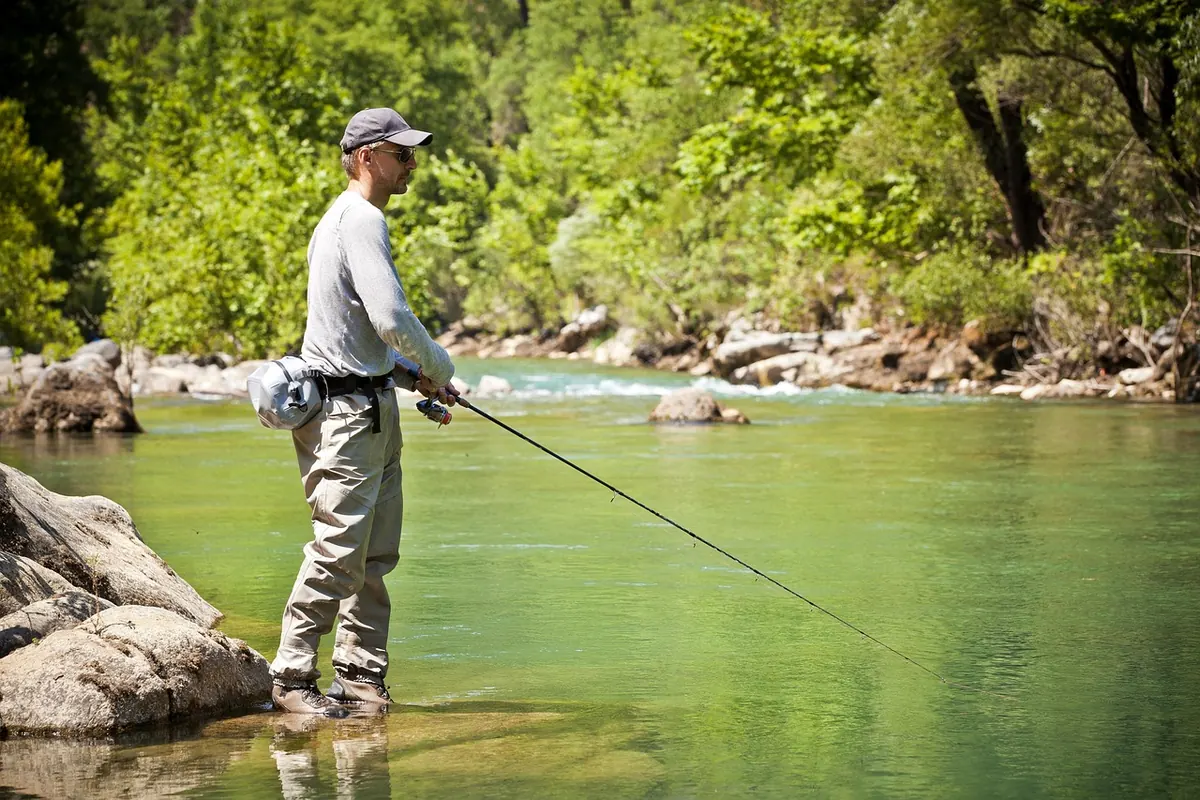
River days have a natural narrative. You launch, you drift or paddle, you stop on a gravel bar for lunch, you carry on, you arrive. There is a beginning, a middle and an end, and even a lazy float feels like an expedition. Add packrafting, canoe camping, fly fishing in the evening light or hunting for a deep pool under a bridge, and the day fills itself.
Lake days are more modular. You swim, you eat, you paddle to an island, you read, you swim again. Sailing, windsurfing and dock-jumping fit here in a way they never quite do on a river. If you like a base camp with a book and an occasional plunge, that rhythm is a feature, not a compromise. If you get restless by mid-morning, it is a problem.
Lakes concentrate people. One access point, one beach, one car park, and everyone arrives within the same two hours on a summer Saturday. Popular lakes get loud: Bluetooth speakers, inflatables, jet skis. Arrive before nine or visit outside peak weekends and you get a completely different place, but the middle of a sunny July day belongs to everyone else.
Rivers spread people out. Because a stretch of water is a route rather than a location, groups scatter along it and the quiet usually wins by afternoon. The exception is the tubing stretch near a town, which can be as busy as any beach. If solitude matters, pick an upper reach that requires a shuttle and walk or paddle a kilometre upstream from the nearest car park.
Rain ruins a lake weekend less than you would think. You get wet, you wait it out, and if the wind stays low you can still paddle. What flattens a lake plan is wind and lightning: an exposed shoreline offers nowhere to hide, and open water is the last place you want to be in a storm.
Rivers have a more subtle problem. Rain that fell hours ago, twenty kilometres upstream, arrives at your stretch whether or not a drop fell on your tent. Summer thunderstorms in hill country can turn a shallow, friendly river into a brown, pushy one while the sky above you is blue. Camp well above the high-water line, never pitch a tent in a dry side channel, and have a bail-out plan.
For both, build a contingency into the trip rather than hoping. A short second option within half an hour's drive, a town with a museum or a swimming pool, a packable rain shell for everyone, and a flexible attitude about the plan are worth more than a perfect forecast.
Pick a river if you want a route, a sense of travel, and a group that enjoys a little planning. Pick a lake if you want low friction, easy swimming and a base you can retreat to. Families with small children and mixed abilities usually do better on a lake. Paddlers, anglers and anyone who needs the day to feel like a small journey usually do better on a river.
Whichever you choose, three habits make the weekend: check the water and wind conditions the night before, tell someone your plan, and decide your exit route before you launch. Do that and the water — moving or still — does the rest.
Photo: Nano Erdozain / Pexels
A practical, step-by-step plan for building a three-day river itinerary that runs on trains, buses and footpaths —...
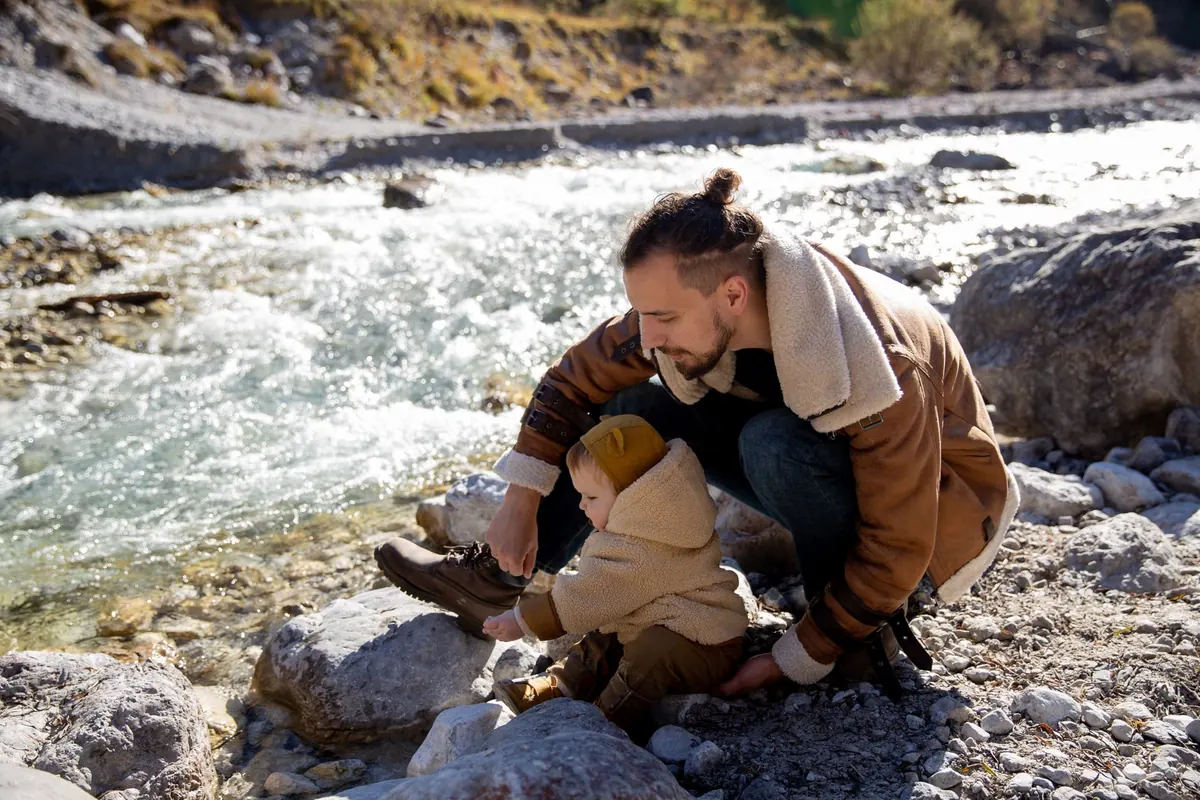
A practical packing and planning checklist for family river days, covering buoyancy aids, sun protection, snacks,...
October 27, 2026 - Travel Guides
Copyright © 2026 Scrigno Del Fiume. All Right Reserved.