River Adventures vs. Lake Days: Which Is Better for a Nature Weekend?
October 28, 2026 - Travel Guides

October 27, 2026 - Travel Guides
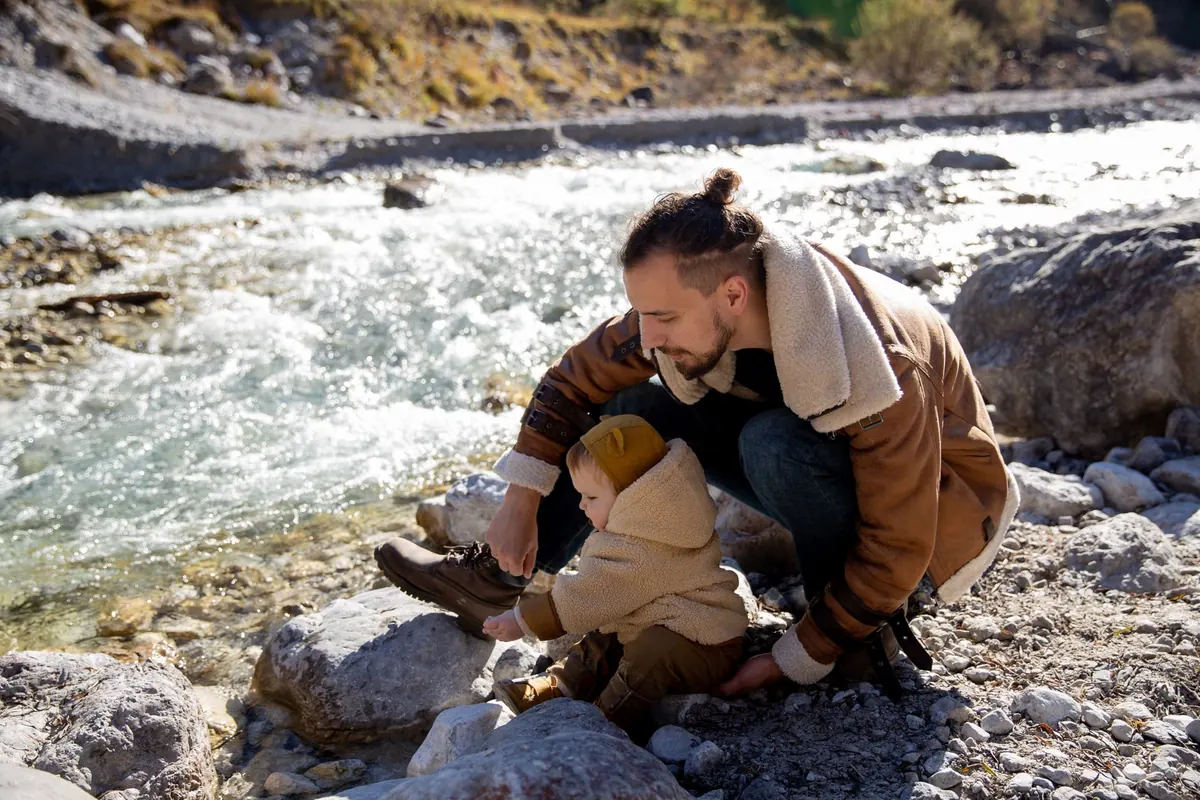
A river day with children has a rhythm of its own: a slow morning of sunscreen and sandwiches, a long middle of shallow water and small discoveries, and an afternoon exit that either goes smoothly or does not. Most of the difference between the two comes down to what you carried down the bank. Not the fanciest kit, either — the right kit, packed for the way children actually behave near water. They get hungry earlier than you expect, cold sooner than they admit, and they are always fifty metres further downstream than you thought.
Gear matters less than location. A shallow, braided stretch with a gentle gradient and a gravel bank is a far better family choice than a beautiful gorge with cold, fast water and no way out except the path you came in on. Look for somewhere a child can stand up in the current and where you can see a good distance upstream and down.
Ask locally about releases from dams or hydro plants, and give the river a day to settle after heavy rain. Water that looks calm at the car park can be pushing hard around the first bend. If nobody can tell you, watch the river for ten minutes with a fixed reference point — a rock, a branch — and see whether the level is steady.
Set a turnaround time out loud, before anyone gets wet. "We leave the water at four" works better than a series of increasingly ignored reminders. Arriving early also buys you the quiet hour before the banks fill up, and it gets you off the water before the afternoon storms that build over river valleys in summer.
Being able to swim is not the same as being safe in a river, and a strong swimmer in cold current is still a child who tires. Everyone in the water wears a buoyancy aid — adults included, because the person doing the rescuing should not become the second casualty.
Follow the local rules on where children may swim and how old they must be to go unsupervised, and keep a hand's reach of any non-swimmer in moving water. If you are unsure what suits your family's abilities, ask a qualified outdoor instructor or the local lifeguard service rather than guessing.
Water reflects light from below as well as above, so a river day often burns more than a beach day. Pack a wide-brimmed hat with a chin strap, a long-sleeved rash top, and sunscreen you have already applied at home so the first hour is not lost to smearing. Reapply after every long swim, not just at lunch.
Heat is the quieter problem. Give each child their own bottle, marked with a name, and prompt drinks on a schedule rather than waiting for thirst. Plan the walk, the set-up and any climbing for the morning or late afternoon, and keep the hottest hours for shade, food and floating.
Shade is gear. A tarp, a beach umbrella or a lightweight shelter turns a bare gravel bank into somewhere people will actually rest — and resting children drink, eat and warm up.
River food should not melt, bruise, need refrigeration, or require two hands and a clean plate. Think picnic food that can be eaten with wet fingers from a lap.
Keep food on the blanket, not on the gravel bar where it will end up in the river. No glass, and every wrapper goes back into the bag it came from. Pack out what you bring, including the orange peel.
One big bag becomes a swamp by mid-afternoon. Three smaller ones keep order.
Phones, car key, wallet, any medication. Use a roll-top dry bag, close it with three firm rolls, and test it at home with a tissue inside before you trust it. A phone in a pouch with a lanyard and a tether is worth the ten minutes it takes to set up. A screw-top jar inside a zip bag is a decent budget version.
Towels, spare clothes per child in a labelled bag, water shoes, sun hats. If this one gets damp, nothing is ruined.
Small first-aid kit, blister plasters, a roll of tape, a spare whistle, a length of cord, a small torch, insect repellent, a rubbish sack. Add any personal medication your family needs and check the kit at the start of the season. For what belongs in a family first-aid kit, your pharmacist can point you to a sensible ready-made set.
This is the step most families skip, and the one that matters most with non-swimmers. Walk the bank and look downstream with a specific question: if a child drifted from here, where would they get out?
Before the car moves, run through it once: buoyancy aids in the boot and fit for each person, water bottles filled, sunscreen on, hats in the bag, dry bags sealed with keys and phones inside, food packed, first-aid kit present, and the turnaround time agreed. Leave a note of where you are going and when you expect to be back.
Then stop planning. The best part of a river day is the bit where nothing happens for an hour: a child turning over stones, a dragonfly, a sandwich eaten sitting in the shallows. Pack for the emergencies so you can spend the rest of the day ignoring them.
Photo: Tatiana Syrikova / Pexels
Rivers reward curiosity and planning; lakes reward simplicity and slow mornings. Here is how access, safety, crowds...
A practical, step-by-step plan for building a three-day river itinerary that runs on trains, buses and footpaths —...
October 27, 2026 - Travel Guides
Copyright © 2026 Scrigno Del Fiume. All Right Reserved.