River Adventures vs. Lake Days: Which Is Better for a Nature Weekend?
October 28, 2026 - Travel Guides


October 27, 2026 - Travel Guides
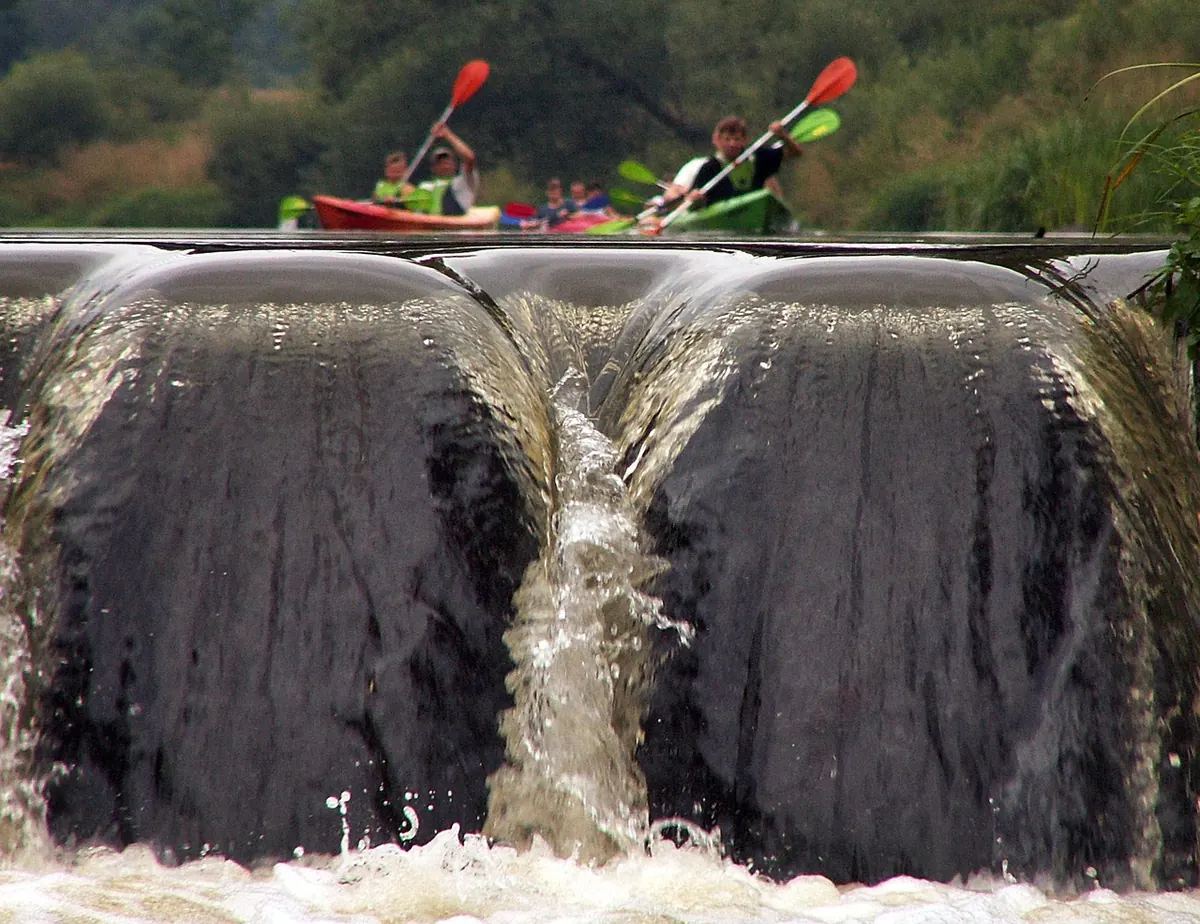
Most beginner kayak trips go wrong on land, long before anyone gets wet. A spray skirt left in the car. A forecast skimmed and dismissed. A fallen tree across a narrow channel that nobody walked down to look at. These are small omissions, and they tend to compound: the forgotten skirt means a swamped boat, the swamped boat means a swim, the swim in cold water means the day ends early with a long walk back to the road.
The river is rarely the problem. What matters is how much you checked before the bow touched the water. What follows is a working checklist — twelve items, grouped in the order you'll need them, from the night before to the last ten minutes at the put-in.
Standing in a sunny car park, it's tempting to skip straight to the boat. Resist that. These three checks decide whether the day is even worth launching.
Look at wind speed and gusts, thunderstorm risk, air temperature and rain — and rain upstream, not just overhead. A river can rise steadily while you're standing under blue sky, because the water falling on hills twenty kilometres away arrives later. If thunderstorms are forecast for the afternoon, either paddle early and plan to be off the water by midday, or choose another day. Wind deserves the same attention as rain: on open stretches and reservoirs, a steady headwind can turn a two-hour paddle into a four-hour grind.
River gauges, local paddling clubs and outfitters will tell you what "normal" looks like for a given run. Beginners want steady or falling water on a gentle gradient — typically easier rivers with no weirs or drops. If the level is climbing and rain is still falling upstream, wait it out. A rising river brings faster current, fewer eddies and more debris with it.
Decide at home, not on the bank, what you're willing to paddle in. Water below around 15°C is colder than most people expect, and the first shock of it can snatch your breath away. Pair that with a warm air temperature and light clothing choices and you have a bad combination. Which brings us to the next section.
You don't need instruments. Throw a small stick into the current and time how long it takes to travel ten metres along the bank. That tells you how fast the water is moving in the main flow — usually faster than it looks. A useful standard for a first trip: you should be able to swim in it comfortably. If the current is quicker than that, you're on the wrong river for day one.
Before you get in, walk downstream a little and look at what the water is doing. Point out, verbally, the things to avoid:
Familiarise yourself with the equipment before the day you need it, not while floating downstream. A basic beginner kit looks like this:
Fasten every strap, then have someone lift the shoulders of the jacket upwards. If it rides up over your ears, it's too loose and it will not keep your face out of the water. A buoyancy aid should feel snug enough to be slightly annoying on land.
If you wouldn't willingly get in the river wearing what you've got on, add a layer or change it.
Synthetic base layers, a light fleece if it's cool, a windproof outer shell, and no cotton next to the skin. Cotton holds water and pulls heat out of you fast.
Foot braces locked where you can brace against them. Hatches sealed and drain plug in. Grab loops intact at both ends. Flotation bags inflated in the bow and stern of an open boat. Spray skirt fitted to the cockpit rim — try it on the bank, not mid-river.
Phone in a waterproof case, clipped or pocketed where you can get to it while sitting in the boat. Signal on rivers is patchy, so don't rely on it alone: a whistle carries further than a voice and costs nothing.
Put-in, take-out, expected finish time, and the number to call if you're not back. Send a message when you launch and another when you're off the water. It's a two-minute task that turns a search into a lift home.
Look at the map and the bank and pick at least two places you could get out early — a bridge, a footpath, a field gate with road access. Note them as you pass. Knowing you can leave at any point makes it much easier to make a calm decision when the weather turns or someone gets tired.
Before you paddle off, tip over in shallow water and get out of the boat once. It's cold, it's undignified, and it removes most of the fear. Then agree on three things as a group: a whistle signal for "stop", a signal for "I'm fine", and the rule that nobody paddles past a swimmer without stopping.
Once everything is unloaded, do a final pass. It takes ten minutes and catches almost everything.
Then get in, keep the first twenty minutes deliberately slow, and let the river set the pace. If something doesn't feel right on the water — the wind picking up, a tired paddler, a stretch that looks tighter than the guidebook promised — turning around is a good decision, not a failed one.
Photo: JerzyGórecki / Pixabay
Rivers reward curiosity and planning; lakes reward simplicity and slow mornings. Here is how access, safety, crowds...
A practical, step-by-step plan for building a three-day river itinerary that runs on trains, buses and footpaths —...
October 27, 2026 - Travel Guides
Copyright © 2026 Scrigno Del Fiume. All Right Reserved.