River Adventures vs. Lake Days: Which Is Better for a Nature Weekend?
October 28, 2026 - Travel Guides

October 27, 2026 - Travel Guides
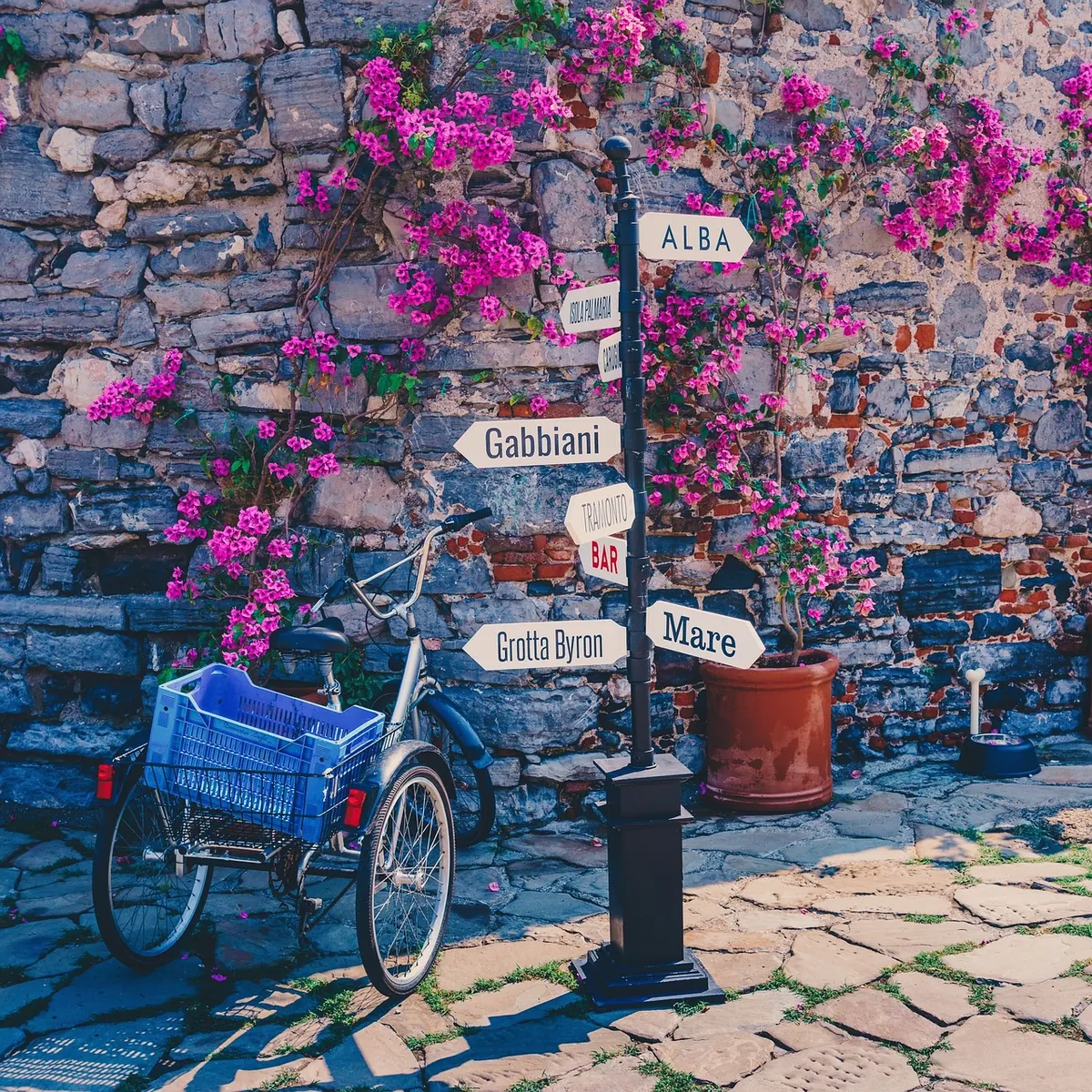
A river village keeps its own clock. Shutters open before seven, the fountain does double duty as a noticeboard, and by half past twelve the square is empty. Visitors who arrive expecting a museum with opening hours tend to feel the friction first: a bare shoulder in a church doorway, a camera pointed at someone's washing line, a voice carrying across a lane where a nod would have done.
None of it is written down anywhere. That is both the difficulty and the reason the place still feels like itself. What follows are not laws — nobody will fine you for wearing shorts to Mass — but the small courtesies that separate a guest from a passer-by. Learn a handful and the village responds: doors stay open a little longer, directions get more detailed, the woman at the fruit stall starts putting the good peaches aside for you.
Most village churches stay unlocked through the day, which makes them tempting at noon: cool stone, a bench, ten minutes out of the sun. Stepping in is welcome. But a church is a place of worship that happens to be beautiful, not a museum that happens to hold services.
Shoulders and knees. A light scarf in your bag or a shirt tied around the waist solves both, and it costs nothing to carry. Leave the swimwear and the bare chests on the riverbank. Hats and caps come off, sunglasses too, and phones go to silent rather than vibrate.
If the priest is already at the altar, you have arrived at the wrong moment. Sit at the back and stay, or slip out before it begins. What you shouldn't do is walk the length of the aisle to look at a fresco while a congregation is trying to pray. No flash, no photographing people's faces, no filming the ceremony. If a wedding or a funeral is under way, come back in an hour.
And if you light a candle, put the coin in the box. The little shelf of tea lights is not a freebie.
The village market is usually a weekly event, and it is usually finished by noon. Arrive at nine and you see it at its best; arrive at half past eleven and you are buying what's left while the stalls fold around you. Bring small notes and coins — some traders take cards now, plenty still don't.
Say good morning before you say anything else. Then point, or ask. The vendor will pick the tomatoes for you and will pick better ones than you would. Squeezing a peach and putting it back is the one habit that genuinely irritates. If you want to taste before buying, ask; in most villages the answer is yes and a slice appears.
At the cheese counter or the deli, look for the little ticket dispenser and take a number. There is no visible queue, only an order, and standing at the counter looking hopeful will not move you up it.
Haggling belongs at flea markets and antique stalls. On food, the price is the price, and trying to knock ten cents off a bunch of basil reads as a joke in poor taste. The same goes for the fishmonger at the river's edge: if you don't know what a fish is, ask how to cook it rather than what it costs.
If you want a photograph of a stall, ask first. A wide shot of the square is one thing; a close-up of a vendor's face is another. And if you have spent ten minutes chatting, buy something — even something small.
Between roughly one and four in the afternoon, and again after about eleven at night, the village expects quiet. Shutters close, the square empties, and the only sounds are a dog and somebody's radio two streets away. Hours vary from place to place, and nobody will knock on your door to explain them, which is exactly why this is the easiest custom to break by accident.
A greeting costs nothing and changes the temperature of an entire day. In a small shop, a bar, the post office or a waiting room, say good morning when you walk in and good evening when you leave. A nod will do if the words fail you. It is not formality for its own sake; it is the difference between a customer and somebody who wandered in unannounced.
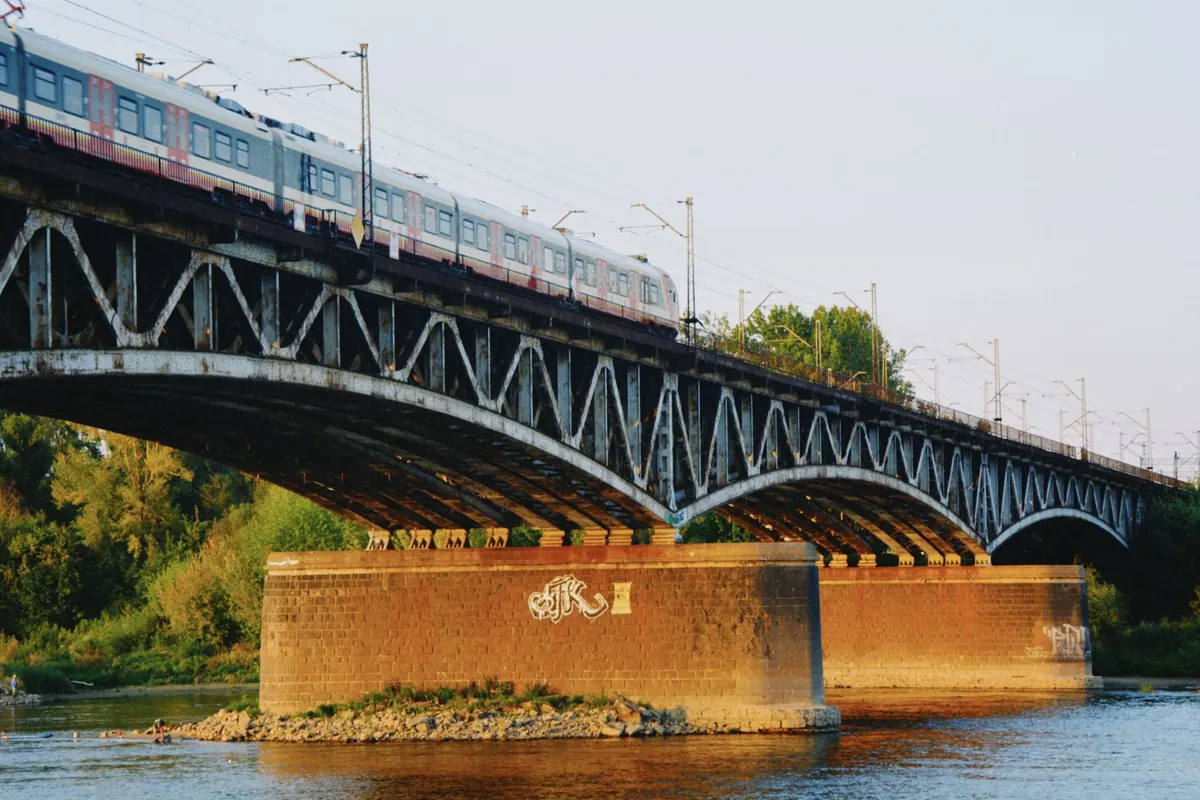
On narrow lanes, give way. The person carrying a load, the older man with a stick, the woman pushing a pram — step into a doorway and let them pass. And never stop dead in the middle of a bridge to frame a shot; bridges are two people wide at best and someone is always trying to get across.
Photographs deserve their own paragraph. Photograph the village, not the villagers. A general street scene is fine. A close-up of a grandmother on her step is not, unless you ask and she says yes — and if she says no, let it go with a smile. Never photograph children. Laundry lines, open windows and doorways are private even when they face a public lane, and a courtyard gate that stands open is not an invitation to look at the garden. Fruit hanging over a wall belongs to whoever planted it.
That green pool under the bridge looks like a swimming spot and may well be one — but the same stretch of water might be an irrigation channel, a washing step or a fishing beat, sometimes all within a hundred metres. Ask before you assume. The bar, the tourist office or your host will tell you where locals swim and, just as usefully, where they don't.
Don't paddle where there is a mooring, a line in the water or a stone slab set up for laundry. Close gates behind you, and don't climb fences to reach a bank: they usually mark a working field or a channel that opens without warning upstream. Don't build dams out of stones in a small stream; someone downstream is counting on that flow. Don't feed the ducks and swans bread — it isn't good for them and it fouls the water. And whatever you carry down to the bank, carry back up again.
Village restaurants are small and the kitchen is often one or two people. Book for dinner in summer and at weekends, and book by phone rather than turning up at eight with six people. Lunch service
Photo: StockSnap / Pixabay
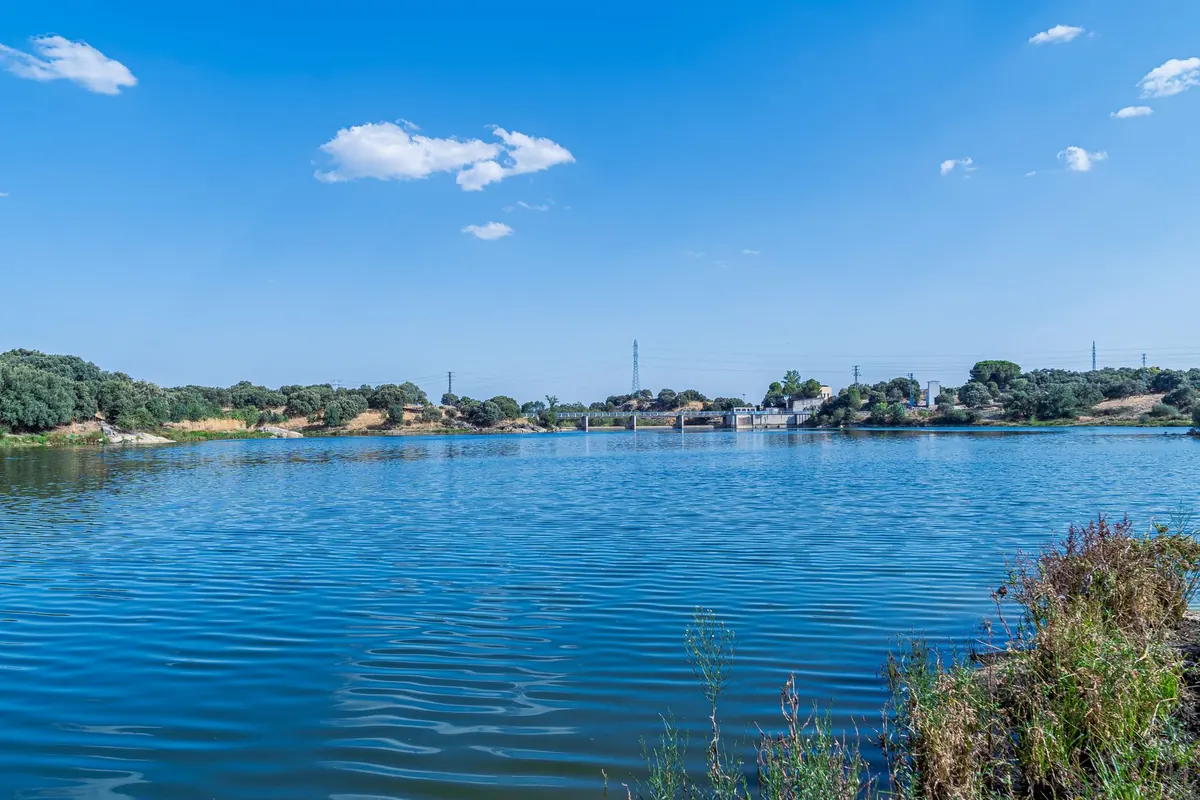
Rivers reward curiosity and planning; lakes reward simplicity and slow mornings. Here is how access, safety, crowds...
A practical, step-by-step plan for building a three-day river itinerary that runs on trains, buses and footpaths —...
October 27, 2026 - Travel Guides
Copyright © 2026 Scrigno Del Fiume. All Right Reserved.