River Adventures vs. Lake Days: Which Is Better for a Nature Weekend?
October 28, 2026 - Travel Guides

October 27, 2026 - Travel Guides

Planning a riverside trip in Italy for the middle of August means reading two maps at once: the one that shows the river, and the one that shows the holiday calendar. Ferragosto, 15 August, is a public holiday and the heart of the Italian summer break. Around it, businesses close, swimming holes fill, villages stage festivals, and buses and trains slip into strange timetables. None of that has to spoil a good itinerary. It just has to be planned for.
Ferragosto began as an ancient Roman festival and is now both a religious holiday—the Assumption—and the unofficial peak of the summer exodus. In practice, the single day matters less than the fortnight around it. Many Italians take at least a week off, often straddling 15 August, and service towns near rivers feel the shift in two directions: some residents leave for the coast or mountains, while day-trippers arrive looking for cool water.
The result is a patchwork. A bakery may be shut, a restaurant packed, a canoe rental fully booked, a usually quiet bend in the river crowded by eleven in the morning. Treat “summer opening hours” as a loose suggestion and confirm the specific dates that affect you. The pressure points are usually 14, 15 and 16 August: the day before, when locals shop for the holiday; the day itself, when everything that is open is busy; and the day after, when some businesses stay closed anyway because the long weekend has drained staff and stock.
In a small river town, for example, the bar on the piazza may open for morning coffee and then close at lunchtime, the nearest supermarket may shut for two days, and the one restaurant with a terrace over the water may serve only a fixed Ferragosto menu. None of this is unusual. It is simply the local rhythm of a national holiday played out at river scale.
The phrase to recognize is chiuso per ferie—closed for holidays. It appears on shop doors, restaurant windows and workshop shutters, often for a week or two, sometimes for the whole month. Not every closure follows a neat pattern. Some family-run places shut before 15 August and reopen after; others close only on the day itself. The only reliable method is to ask directly, a few days ahead, and have a backup.
Confirm these before you build a day around them:
A phone call or message often gets a faster answer than email in this period. Ask two questions: “Are you open on 15 August?” and “Are you open the day before and the day after?” Those are the days that catch people out. If a business replies with unusual hours, note them down—not just “open late,” but the actual closing time.
Italian rivers are not theme parks with capacity limits. When a favourite swimming spot is full, it is simply full: the car park overflows, the bridge approach jams, and the flat rocks fill with towels. The busiest places are usually the ones with easy road access, a car park, a bar and a stretch of shallow water. If you want solitude, you have to trade convenience for a walk. Arrive early—before nine if you can—and aim for a weekday rather than a weekend. A twenty-minute walk upstream from the nearest bridge often removes most of the crowd, but stay on established paths and respect private land and fences.
Practical tactics help more than optimism. Park where signs allow, not on verges or farm tracks; holiday traffic brings extra enforcement and blocked access for residents. Carry out everything you bring in, including fruit peel and picnic scraps. If you are swimming, choose clear water, avoid diving into opaque or shallow sections, and keep an eye on children near currents and drop-offs. August low water can expose rocks and make some canoe routes scrappy, so ask the operator about conditions rather than assuming the summer season means easy paddling. And if a spot is already busy, have a second choice ready; the next valley or the next bridge may be quieter.
It also helps to decide what kind of river day you actually want. A lido with shade, parking and a bar is convenient but will be at its busiest on Ferragosto. A trailhead reached on foot may be quieter but offers no facilities. Families with small children often do better at a shallow, supervised lido, even with the crowd; stronger swimmers and hikers may prefer to walk farther and carry water. Either way, start early, leave before the afternoon build-up if you can, and do not count on finding a parking space at the most photographed bend in the valley.
Ferragosto is not only a closure; it is a celebration. In many river towns, 15 August brings a Mass, a procession, a band in the piazza and fireworks after dark. Local sagre—food festivals—appear in the surrounding villages, often focused on grilled food, pasta, or whatever the valley produces. These can be delightful: long tables under the trees, homemade cakes, and a brass band playing until late. They can also mean closed roads, full car parks, and restaurants serving a set menu at a set time.
Check what is happening before you arrive. Parish noticeboards, local Facebook pages, posters in the bar and the tourist office are all worth a glance. Ask whether an event is on 14, 15 or 16 August—many are tied to the nearest weekend rather than the exact date. If fireworks are scheduled, expect noise late into the night and choose accommodation away from the piazza if you are travelling with small children or a nervous dog. If you want dinner after a procession, book it; the town may be charmingly full but the kitchen will not be free.
Trains and buses often run Sunday or holiday schedules on 15 August, and regional services may be reduced. Roads around popular rivers and lakes can be congested, especially on the 14th and 15th, and the usual shortcut through a village may be closed for a procession or market. Tolls operate normally, but fuel stations may be unstaffed or closed, so fill up when you can. If you rely on a bus, confirm the last return journey; holiday service can end earlier than the timetable suggests. For remote trailheads, arrange a taxi or shuttle in advance, because ride-hailing is limited outside the big cities.
A car gives flexibility, but parking is the bottleneck at riverside sites. A train plus a rented bike can beat traffic on some valley routes, but only if the rental is confirmed for the holiday dates. Keep the day simple: one main destination, one backup, and enough slack to change plans if the car park is full or the river is running lower than expected.
Book accommodation early, especially agriturismi and riverside campsites, and confirm check-in times and whether the property has a restaurant that will be open. Self-catering is useful when shops shut; buy bread, cheese, fruit and water the day before Ferragosto. Reserve dinner for 14 and 15 August, and expect fixed menus and higher prices in the most popular places. Many Italians eat late, so a 7:30pm reservation may be easier to find than 9pm. If you have dietary needs, call ahead rather than relying on a holiday menu to adapt.
Finally, treat the holiday as part of the trip rather than an obstacle. A shut bakery may lead you to the next village’s forno; a crowded swimming hole may push you upstream to a quieter stretch. The river does not close for Ferragosto, and with a little confirmation, a backup plan and an early start, neither does your itinerary.
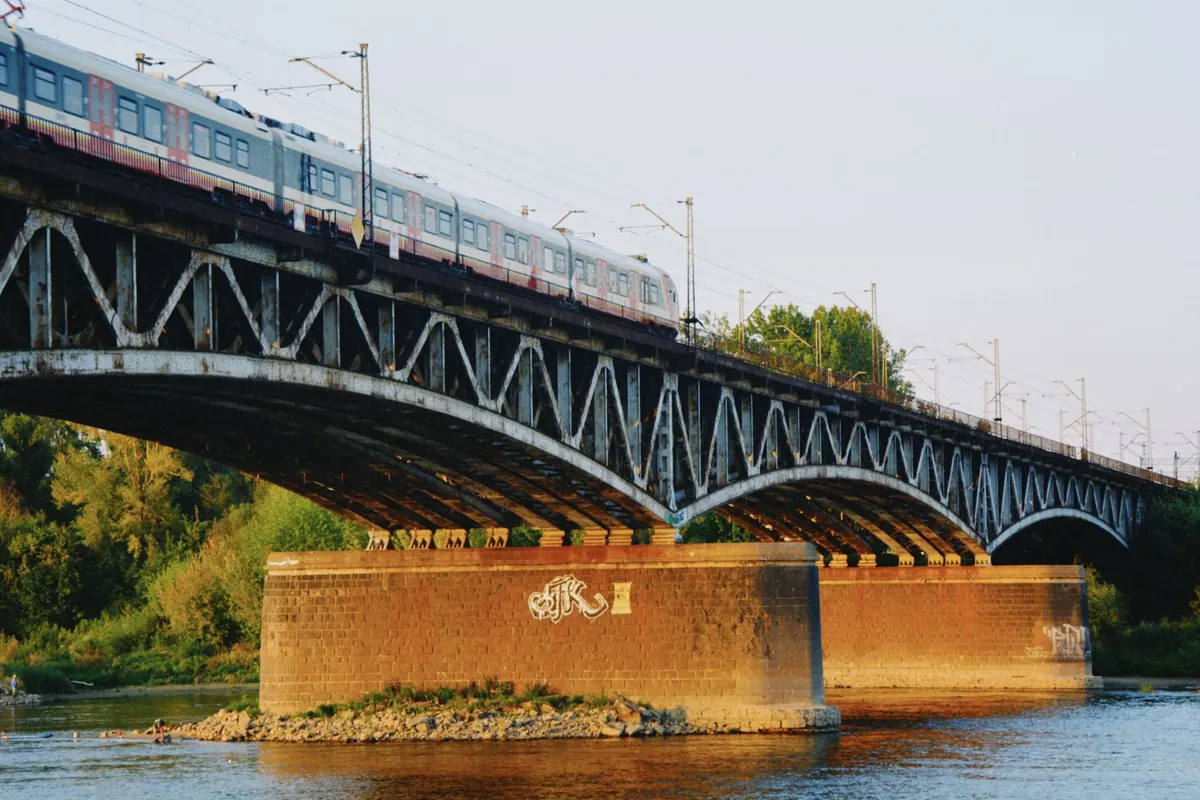
Photo: OrnaW / Pixabay
Rivers reward curiosity and planning; lakes reward simplicity and slow mornings. Here is how access, safety, crowds...
A practical, step-by-step plan for building a three-day river itinerary that runs on trains, buses and footpaths —...
October 27, 2026 - Travel Guides
Copyright © 2026 Scrigno Del Fiume. All Right Reserved.